
What New Video Art Is AI Creating?

Art has always evolved alongside technology, and in recent years artificial intelligence has opened new areas of visual expression. Whereas traditional art has been created by artists' hands, generative art, in which AI generates visual works itself, is rapidly attracting attention. By analyzing vast amounts of data and creating new patterns and designs from it, AI offers distinctive video art unlike anything before. Let us explore the new currents generative art brings to moving images and their possibilities.
How AI-Generated Art Works

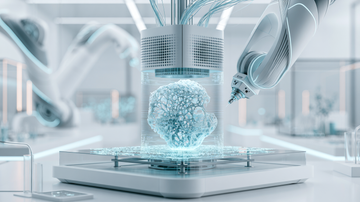
AI-generated art uses machine learning and deep learning. AI learns from large volumes of image and video data, understanding patterns, colors, and structures to create new art. Training it on classical paintings or film scenes, for example, makes it possible to generate new images based on them.
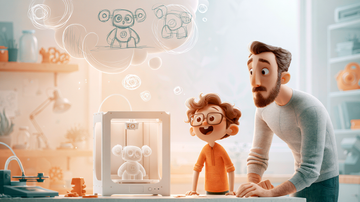
Generative art is also evolving through artist-AI collaboration. Increasingly, artists give instructions and AI produces new works accordingly. Through this process, AI opens artistic possibilities as a participant in creation as well as a tool.
The Possibilities of Combining Video Art and AI

AI-generated video art is opening a new dimension in visual expression. Traditional production requires time for shooting and editing and relies on human creativity. AI, however, can process enormous amounts of data at speeds unavailable to people and produce highly original imagery quickly.
This fusion is bringing new expression to film, music videos, advertising, and other genres. Abstract imagery and interactive artworks generated in real time, in particular, enable previously unimaginable visual experiences. AI-generated images can also reflect artists' intentions while offering accidental beauty and fresh visual experiences.
Challenges and Ethical Issues in Generative Art

AI-generated art offers great possibilities but also presents challenges and ethical issues. Some argue that because its works are based on training data, they lack wholly original creativity. Whether AI can produce new creative value rather than merely imitate other artists' styles remains debatable.
Copyright and ownership issues are also emerging. Legal frameworks have not kept pace in many areas, including who owns an AI-generated work and whether AI itself should receive creative credit. There are also concerns about AI replacing human creators. Anxiety in creative industries about AI taking artists' roles makes the coexistence of AI and people an important future theme.
Conclusion
The combination of AI and generative art is becoming an important force shaping video art's future. AI can transform traditional production processes and create original visual works quickly. As technology advances, AI-generated art will expand further and open new possibilities. At the same time, we need to continue considering creativity and ethical challenges. How AI and human creators coexist and build a new future for video art will be important to watch.
Related Articles
The following articles and categories also cover related topics. Start with the areas you need, and it will be easier to connect your understanding of planning, shooting, editing, and using AI.
- AI Technology Category
- How Is AI Changing Video Editing? Practical Points for Automatic Editing, Subtitles, and Quality Control
- Project Odyssey AI Filmmaking Competition: Possibilities and Lessons for Generative AI Video Production
- Avatar Actors and AI Video Production: Planning with Digital Characters
Need Help with Video Production?
Connect readers to consultations on corporate and advertising videos using AI-generated expression. For specific advice on planning, shooting, editing, and using AI, visit our contact page and feel free to get in touch.
Receive Information on Video Production and AI
Provide information on AI video production, generative AI, and editing workflows. We also share the latest video production know-how and AI video production tips in our newsletter.