

The Birth of a Genius Who Would Shine in Film History

Born on May 7, 1911, the forty-fourth year of Meiji, into a wealthy family in Tokyo's Aoyama district, Ishiro Honda would become a director who left a major mark on Japanese cinema. His father was a businessman and his mother a tea-ceremony instructor, and he grew up in an artistic environment. Aoyama at the time was home to many intellectuals and artists, naturally nurturing the young Honda's artistic sensitivity.
Awakening to Art and Encountering Cinema

Fond of drawing from childhood, Honda dreamed of attending the Tokyo School of Fine Arts, now Tokyo University of the Arts. A fateful encounter, however, would change his life profoundly. The Phantom of the Opera, which he saw in 1923 at the age of twelve, made a powerful impression and sparked his passion for filmmaking. Cinema was then attracting attention as a new art form, and it strongly captured the young Honda's imagination.
A Youth of Setbacks and Struggles
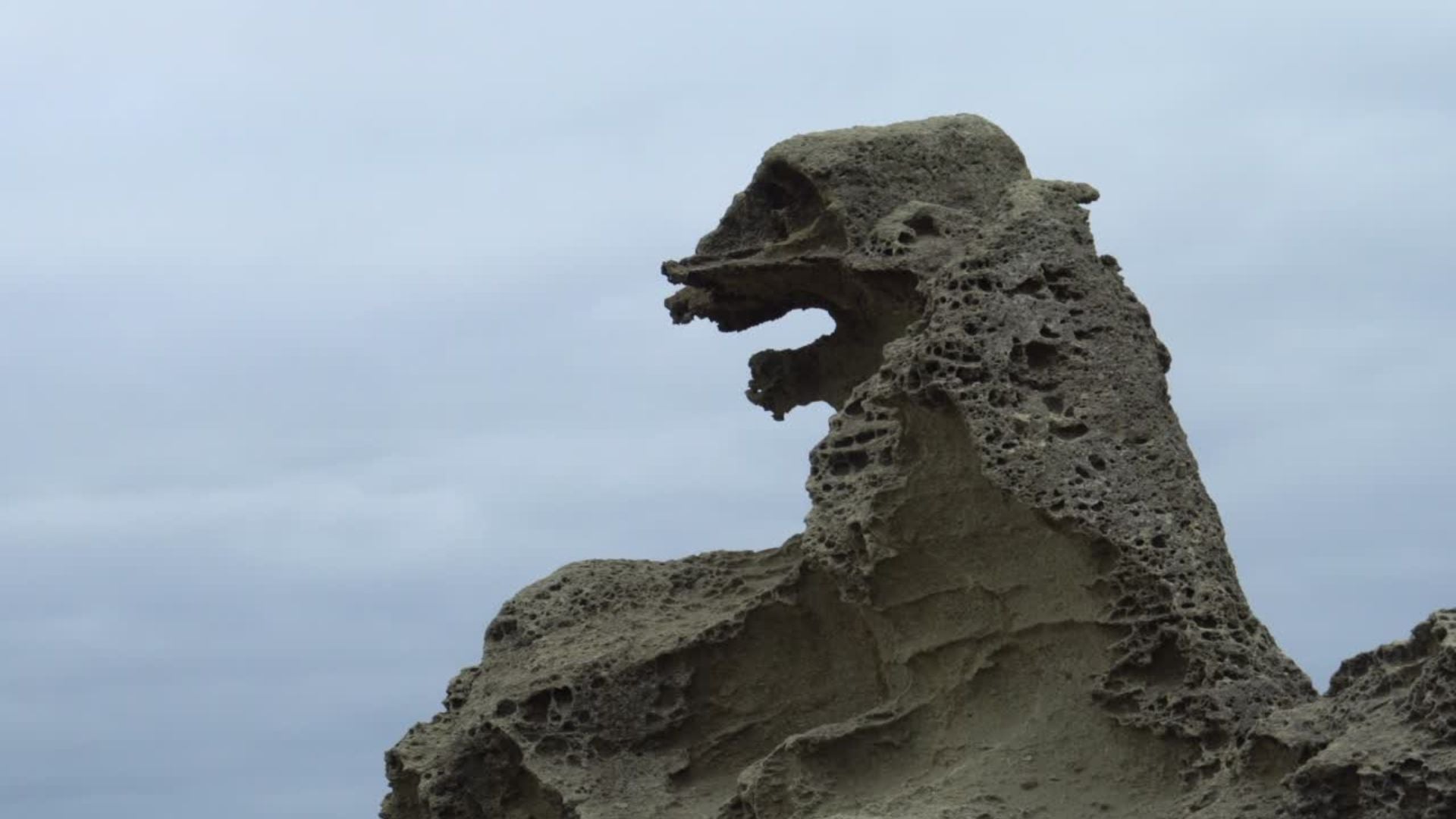
Although Honda pursued cinema against his father's wishes, those around him initially failed to understand his ambition. His passion never faded, however; adversity only strengthened it. After high school, he joined the Photochemical Research Laboratory, the predecessor of PCL. There, he learned filmmaking fundamentals while beginning to explore his own visual expression. Days spent thinking about cinema around the clock, refining his skills, and pursuing distinctive expressive methods laid the foundations for his later landmark monster films.
A Path of Destiny Guided by Passion for Film

In his early twenties, Honda gradually began distinguishing himself. He deepened his interest in special effects in particular and developed original filming techniques. The skills and artistry cultivated during this period would flourish beautifully in the later Godzilla series. Sustained by a pure love and passion for cinema and an original vision, Honda's youth foreshadowed the emergence of a master who would profoundly influence Japanese film history.
Related Articles to Explore
The following articles and categories also cover related topics. Start with the areas you need, and it will be easier to connect your understanding of planning, shooting, editing, and using AI.
- Film Category
- Shinji Higuchi's Special-Effects Expression: Applying Planning and Shooting to Corporate Videos
- Shusuke Kaneko's Visual Direction: Using Special-Effects Film Composition and Lighting in Video Production
- Learning Visual Expression from Citizen Kane: Composition, Lighting, and Editing for Corporate Videos
Need Help with Video Production?
Connect readers to video production consultations involving special-effects-inspired presentation and exhibition videos. For specific advice on planning, shooting, editing, or using AI, please visit our contact page to get in touch.
Receive Updates on Video Production and AI
Provide information on special-effects expression, composition, lighting, and video production. We also share the latest video production know-how and AI video tips in our newsletter.