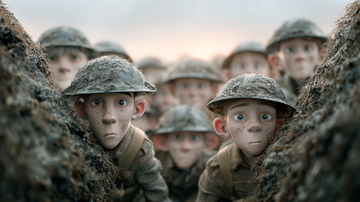

A Gaze at Reality: Shue Matsubayashi’s Realism

Realism is a major foundation of Shue Matsubayashi’s cinema. In his war films particularly, he does more than recreate history, carefully portraying the psychology and conflicts of people who lived through war. In Admiral Yamamoto and Zero, for example, he depicts not only the overall course of war but also the perspectives of individual soldiers and leaders, allowing viewers to empathize with their choices and suffering. His experience as a member of the generation that knew war informs this realism.
Humanity Within Laughter: His Approach to Comedy

While pursuing realism in war films, Matsubayashi also made many comedies important in Japanese film history. In directing Crazy Cats films, which formed part of Toho’s comedy output, he valued entertainment while finding ways to go beyond simple slapstick. In Japan’s Number-One Man Among Men, for example, ordinary people’s resilience and social irony lie beneath the comic developments, offering warmth along with laughter. His comedies consistently reflect an individual perspective that portrays human nature through humor.
The Directorial Skill Connecting Opposing Genres

Matsubayashi succeeded in both war films and comedies, seemingly contrasting genres. Underlying his direction was a consistent commitment to portraying people. In war films, he communicated genuine feelings by depicting human truth under extreme conditions; in comedies, he captured everyday absurdity and lovable moments. This balance is precisely the appeal of his work. His approach to combining realism with entertainment offers many insights to directors today.
Matsubayashi’s Significance in Japanese Film History

Matsubayashi’s films go beyond entertainment and occupy an important place in Japanese film history. He was a rare figure who combined the sense of responsibility of someone who had experienced war with the desire to serve audiences as an entertainment filmmaker. His work provides clues to understanding history and has a universal appeal enjoyable in any era. His directing philosophy, beautifully combining realism and entertainment, deserves to serve as an important reference for future filmmaking.
Related Articles
Related topics are also covered in the articles and categories below. Start wherever you need to learn more, and you can connect your understanding of planning, filming, editing, and the use of AI.
- Film Category
- Story-Driven Video Structure: Creating Corporate Videos That Capture Viewers’ Hearts
- Drama Directing Techniques: Fundamentals for Applying Character Emotions to Video Production
- Frank Capra’s Cinematic Expression: Applying Stories That Create Empathy to Corporate Videos
Need Help with Video Production?
Connect readers to planning consultation for corporate, recruitment, and public relations videos that balance realism and accessibility. For specific advice on planning, filming, editing, or using AI, please feel free to get in touch through our contact page.
Receive Information on Video Production and AI
Provide information on film direction, character portrayal, and structuring corporate videos. We also share the latest video production techniques and tips for AI video production through our email newsletter.