
An Original Approach to Camerawork and Composition

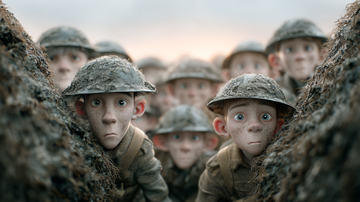
Elia Kazan's visual technique is characterized by a skillful compromise between the use of a theatrical performance space and cinematic camera methods. Influenced by Orson Welles, he actively used compositions with depth and wide-angle lenses to create dynamic visual spaces. In Panic in the Streets, he employed deep focus to show a close-up figure in the foreground and another character in the background simultaneously within the same frame.
By positioning several characters at different depths within the frame, he established a method that let principal and secondary dramas unfold in parallel inside a single shot. This technique successfully gave the audience exactly the necessary information while adding density to the image. Kazan's camerawork was never eccentric; within an apparently orthodox style lay carefully calculated movement.
His skill as a director shines in the way gentle camera pans and the entrances and exits of characters guide the audience's gaze and create cinematic rhythm without sacrificing the strength of theatrical performance. His ability to select the optimal camera position in each scene and visually express the characters' psychological states and relationships reached a level few other directors could match.
Innovating Emotional Expression Through Sound and Music
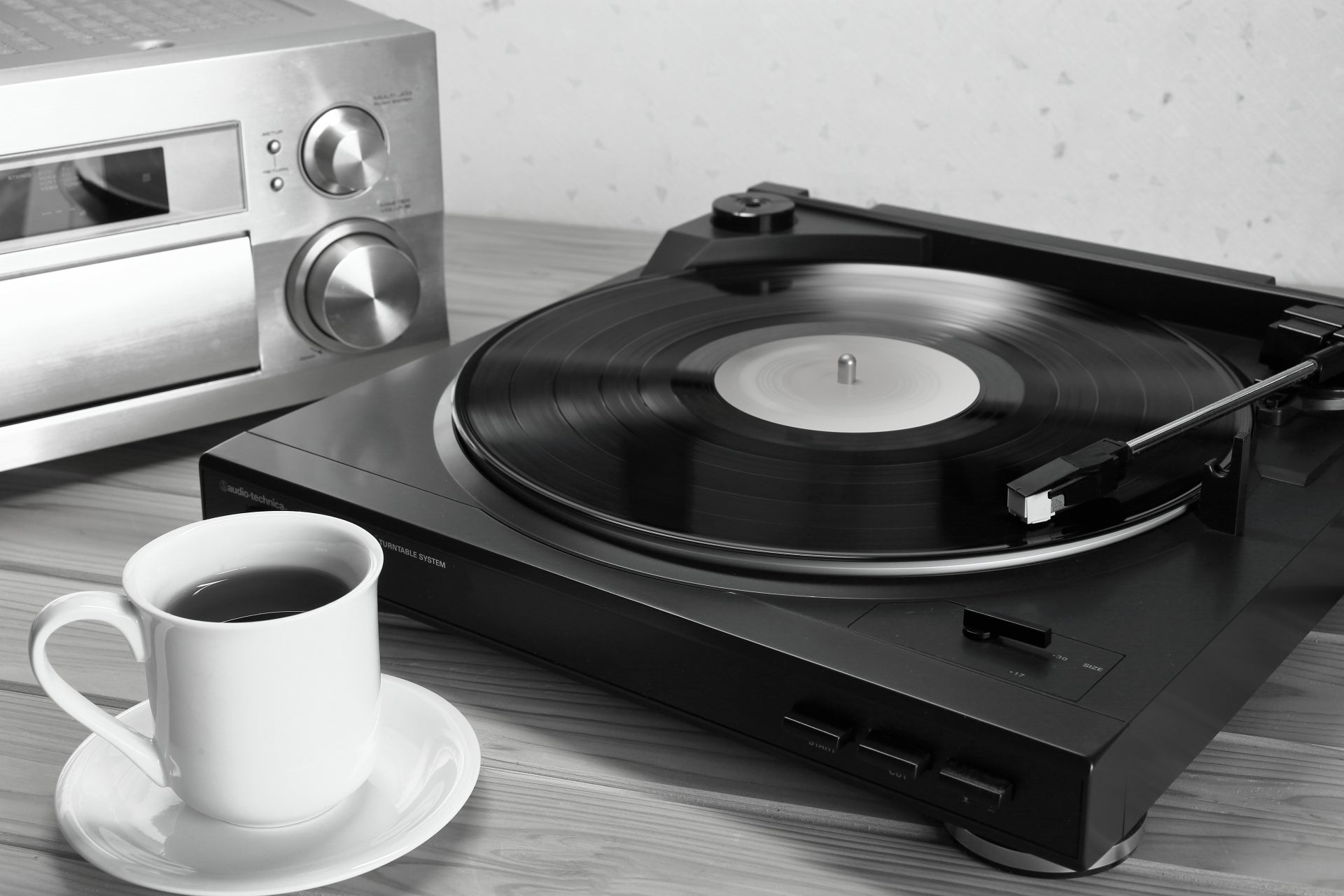
In Kazan's work, sound and music are as important as images in constructing the story's world and awakening emotion. A Streetcar Named Desire received a jazz-based score by Alex North, then a new composer. Mixing blues-inflected saxophone with dissonance, the music superbly expressed the stifling atmosphere of the South and the characters' unstable psychology.
This was an early jazz score for a mainstream film and brought a new current into Hollywood film music. North's music built up short motifs to reflect each scene's psychology; a poignant melody heightens Blanche's emotions when she recalls the past. On the Waterfront made the unusual choice of engaging the renowned classical composer Leonard Bernstein for a film score.
Bernstein's score added essences of jazz and modern music to a weighty orchestral sound, enhancing the drama of the entire film. Music was deliberately removed from the especially famous dialogue inside the taxi, leaving only silence and environmental sound. This brought Brando and Rod Steiger's superb performances to the fore and enabled audiences to concentrate on the characters' inner movements.
Using Performance Through Editing and Long Takes

Because Kazan emphasized actors' performances, he tended to use long takes rather than depend on excessively fragmented editing. He filmed as much of a scene as possible without interruption, capturing the actors' breathing and interactions as they unfolded in real time. In a tense confrontation between two people in Panic in the Streets, he made the bold choice to show approximately two minutes in only two shots.
The camera pans when necessary to follow the characters as the actors change positions and continue their performances within the frame. Skillful organization of their movement avoids placing strain on viewers and is calculated so that essential information is clearly communicated at every moment. Long takes preserve the momentum of an actor's performance instead of cutting it into pieces, and Kazan made full use of this advantage.
When necessary, however, he also adopted bold cutting. At the climax of A Face in the Crowd, a montage interweaves reactions from crowds seen through television monitors with the protagonist's isolation, branding the message powerfully into the viewer. Kazan chose the best method of communication for each scene and precisely differentiated between the advantages of editing and long takes. This flexibility enriched his visual expression.
Symbolic Imagery and the Evolution of Psychological Portrayal

Kazan always sought innovation in his work and took on new forms of expression through image and performance. He devoted himself to how a character's interior could appear on screen, and devices using metaphorical imagery to reflect psychology can be found throughout his films. In East of Eden, he rendered a scene in which father and son grapple as silhouettes against the setting sun, symbolizing the shadow lying across their relationship.
In A Streetcar Named Desire, he boldly used the sound of a steam locomotive that could not be heard in reality and inserted hallucinatory scenes to express the heroine's inner landscape through sound and image. Behind this direction lay Kazan's belief that "film should express the director's own firm vision, not only the playwright's or actors'." Its spirit anticipated the auteurism discussed after the Nouvelle Vague.
In the late-career America America, he undertook a large-scale shoot in Greece and Turkey for a nearly three-hour black-and-white film. By casting unknown actors and mixing ordinary local people among the extras, he realistically revived the atmosphere of the late-19th-century Ottoman Empire. Kazan's innovative spirit sometimes divided opinion at the time, but each experiment steadily broadened cinema's expressive range. His technical innovations remain a treasure house of lessons for contemporary filmmakers.
Related Articles to Read Next
The articles and categories below also organize related themes. Starting with the areas you need will help you connect your understanding of planning, filming, editing, and AI use.
- Film Category
- Akira Kurosawa's Film Techniques: Applying Composition, Editing, and Movement to Video Production
- Takeshi Kitano's Visual Expression: Applying Pauses and Composition to Video Production
- Differences Between Acting for Screen and Stage: Drawing Out Natural Performances in Corporate Videos
Need Help with Video Production?
Connect readers with consultations on corporate and brand videos that bring out people's appeal. For specific advice on planning, filming, editing, or AI use, please feel free to contact us through the contact page.
Receive Updates on Video Production and AI Use
Provide information on performance direction, composition, cinematic expression, and video production. We also share the latest video production know-how and AI filmmaking tips in our email newsletter.