
The Importance of Negative Space in Moving Images

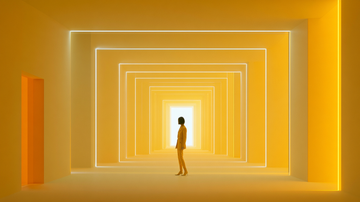
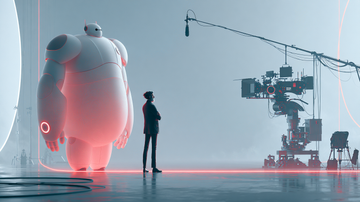
Negative space in video is an important element that guides viewers' eyes and amplifies emotion, beyond simply being empty space. Appropriate negative space highlights a subject's movement and gives the entire video a refined impression.
Three roles of negative space in moving images:
- Providing room that makes the subject's movement stand out
- Creating room to stimulate the viewer's imagination
- Giving the video breathing room and rhythm
Framing Basics for Dynamic Balance

Dynamic balance is the changing distribution of visual weight within the frame as the subject moves. Unlike a still photograph, a video's balance constantly shifts in response to subject movement.
Points to Check for Dynamic Balance
- Leave space in the direction of movement
- Adjust the distribution of visual weight within the frame
- Consider the relationship between subject speed and negative space
- Maintain harmony with background elements
Techniques for Using Negative Space and Balance in Different Scenes

Different scenes call for different approaches to negative space and balance. It is important to adapt to the situation, for example by allowing more space in fast-moving scenes and using tighter compositions in quiet ones.
Typical Scenes and Recommended Approaches to Negative Space
Action scenes:
Allow generous space based on anticipated movement, and frame the shot to preserve the sense of speed.
Dialogue scenes:
Consider space that expresses relationships between characters, and choose compositions that communicate emotional nuances.
Landscape scenes:
Convey scale through spacious compositions that accommodate natural movement, such as clouds, waves, and trees.
Toward Mastering Negative Space and Balance

Precise control of negative space and balance develops through experience and practice. The important thing is to understand the technical rules and apply them flexibly to the message and emotions the work aims to convey.
A Step-by-Step Guide to Practice:
- Practice shooting with different patterns of movement in mind
- Study how negative space looks through different lenses
- Make fine adjustments during editing and check their effects
- Analyze and study excellent work
Ultimately, the goal is to handle these elements naturally while remaining aware of them. This enables more creative, emotionally engaging visual expression.
Related Articles
The following articles and categories also cover related topics. Start with the areas you need, and it will be easier to connect your understanding of planning, shooting, editing, and using AI.
- Video Production Category
- Improving Composition: Framing and Shooting Basics for Clear Corporate Videos
- The Psychological Effects of Camera Angles and Composition: Shaping Impressions in Corporate Videos
- Image-Making Basics: Composition, Lighting, and Shot Design for Telling a Story
Need Help with Video Production?
Connect readers to consultations on promotional and social media videos featuring movement. For specific advice on planning, shooting, editing, and using AI, visit our contact page and feel free to get in touch.
Receive Information on Video Production and AI
Provide information on composition, camera work, and video editing. We also share the latest video production know-how and AI video production tips in our newsletter.