
Camera angles and composition strongly influence a video’s emotional effect on viewers. They are more than technical choices: they are important tools for controlling the viewer’s perspective and emotions. Choosing suitable angles and compositions adds depth and meaning to images and can transform the atmosphere of an entire work.
The Difference Between Low and High Angles
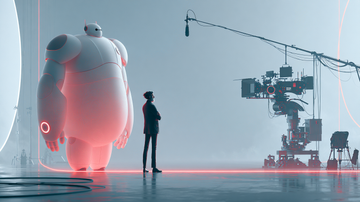
Two basic examples of camera angles are the low angle and the high angle. A low angle looks up at the subject from below, emphasizing it and creating a sense of intimidation or power. This angle is frequently used when powerful figures or heroes appear in films. Making a hero confronting an enemy look enormous, for example, emphasizes their courage and dominance.
A high angle, by contrast, looks down at the subject from above. It can make the subject appear small, weak, or powerless. When a character is at a disadvantage or feels helpless, a high angle can communicate that emotion to viewers. The elevated viewpoint also reveals more of the surrounding environment, emphasizing the person’s smallness and vulnerability.
Shaping Impressions Through Composition
Composition, as well as camera angle, is an important factor in a video’s emotional impact. It refers to the arrangement of subjects and objects within the frame. Basic compositional rules such as the golden ratio and rule of thirds can give images stability and balance.
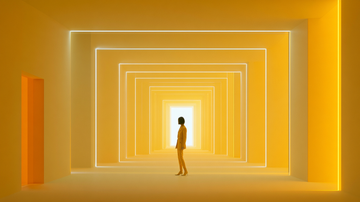
Placing a subject in the center of the frame, for example, draws the viewer’s attention to that person. The central position visually communicates the character’s importance or strong presence in the story. Moving the subject to the edge, meanwhile, may make viewers feel the person is overwhelmed by their circumstances.
Compositions using diagonal or vertical lines can also add tension and movement to a frame. In car chases or action scenes, for example, placing subjects diagonally can create dynamic movement and heighten tension.
Combining Angle and Composition
Combining camera angle and composition can produce powerful visual effects. A character placed centrally and filmed from a low angle, for example, becomes an emblematic cinematic hero. Conversely, a person at the edge of a high-angle frame may be portrayed as vulnerable and at the mercy of circumstances.
Camera angles and composition thus produce powerful psychological effects in moving images. Using them deliberately allows filmmakers to shape viewers’ emotions skillfully and deepen a story.
Related Articles to Read Next
The following articles and categories also explore related topics. Start with the areas you need to make it easier to connect your understanding of planning, shooting, editing, and AI use.
- Video Production
- Improving Composition: Image-Making and Shooting Basics for Effective Corporate Videos
- Learning Visual Expression from Citizen Kane: Applying Composition, Lighting, and Editing to Corporate Videos
- The Basics of Creating Images: Composition, Lighting, and Shot Planning to Tell a Story
Need Help with Video Production?
Lead readers toward consultations on shooting and corporate video production informed by the intended impression. For specific advice on planning, shooting, editing, or using AI, please feel free to reach out through our contact page.
Get Information on Video Production and AI
Provide a way to receive basic information on composition, camera movement, shooting, and editing. We also share the latest video production know-how and AI video tips through our newsletter.