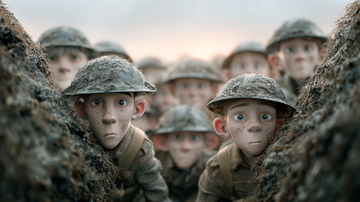

Youth Lived Alongside War

Shue Matsubayashi spent his youth in the great upheaval of war. Sent to the battlefield as a mobilized student, he experienced hovering between life and death. These harsh experiences would be deeply etched into his later filmmaking. Battlefield reality was more than victory and defeat: it also comprised the suffering, conflicts, and hopes of those who lived there. Through his own experiences, Matsubayashi may have continued considering how to portray that reality in later works.
Assistant Director Years with Akira Kurosawa and Ishiro Honda

After the war, Matsubayashi entered filmmaking and trained as an assistant director at Toho. Experience under masters such as Akira Kurosawa and Ishiro Honda particularly influenced him. Observing Kurosawa’s meticulous direction and Honda’s commitment to special-effects techniques, he developed an attitude of thoroughly questioning what cinema was and how to create images that resonated with audiences. For Matsubayashi, who had experienced war, expressing realism in war films and human drama became a lifelong theme.
Directorial Debut and the Characteristics of His Early Work

After his assistant-director years, Matsubayashi debuted as a director in the 1950s. Many early films strongly reflected memories of war, depicting human strength and kindness alongside its tragedy. His war films convey not only the impact of combat scenes but also the suffering and weight of choices faced by those caught in war. His early work also combined a commitment to realism with storytelling attentive to entertainment. This balance would carry into his later major films.
Transforming Wartime Experience into Cinema

Matsubayashi’s work brilliantly combines war’s reality with human drama. Beyond recreating history, he continually depicted how people live and find hope through war. Later he also demonstrated talent in comedy, bringing depth to entertainment films. Perhaps experiencing war’s tragedy had taught him the importance of offering laughter and warmth. His life in cinema is more than a director’s journey: it is valuable testimony to how someone who experienced war entrusted personal feelings to film.
Related Articles to Read Next
The following articles and categories also explore related topics. Start with the areas you need to make it easier to connect your understanding of planning, shooting, editing, and AI use.
- Film
- Shue Matsubayashi’s Directing Philosophy: Applying Realism and Entertainment to Corporate Videos
- Learning from Tadashi Imai’s Tower of the Lilies: Applying Memory to Educational Videos
- Learning from Kazuo Kuroki’s A Boy’s Summer in 1945: Applying Memory to Video Production
Need Help with Video Production?
Lead readers toward consultations on educational videos, regional films, and documentaries that convey memories and experiences. For specific advice on planning, shooting, editing, or using AI, please feel free to reach out through our contact page.
Get Information on Video Production and AI
Introduce information on film directors, expressing memory, educational videos, and video production. We also share the latest video production know-how and AI video tips through our newsletter.