
The Role and Evolution of Motion-Control Cameras
In film and television production, camera movement is one of the elements that strongly shapes visual expression. Motion-control cameras have enabled precise movement since the 1970s and have played an important role particularly in visual-effects photography. This technology makes it possible to repeat the same camera movement accurately, allowing multiple images to be composited seamlessly.
The First Groundbreaking Use of Motion Control in Star Wars
An early groundbreaking use of motion-control cameras was Star Wars: Episode IV—A New Hope (1977). The Dykstraflex system developed by ILM, Industrial Light & Magic, enabled complex visual effects combining spacecraft miniatures with backgrounds. The technology was subsequently adopted in many films and commercials and remains valued where precise camerawork and realism are required.
New Technologies and the Evolution of Video Production
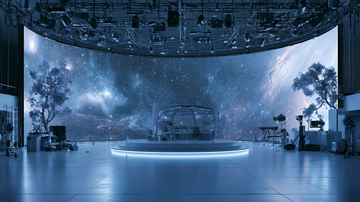
Over time, filmmaking technology has continued to evolve, and new alternatives to motion-control cameras have appeared. Virtual production, which has attracted attention in recent years, allows natural-looking footage to be captured without traveling to a location by displaying CG backgrounds on LED screens in real time. Drone cameras also provide dynamic aerial viewpoints and support AI-based camera tracking and programmable autonomous flight.
The Advantages of Motion Control and Its Complementary Role
These new technologies are certainly innovative and can replace traditional motion-control cameras in some situations, but motion control's advantages remain undiminished. Its greatest strength is repeating precisely programmed movements to achieve highly accurate visual effects and complex composites that other technologies cannot reproduce.
Where Motion-Control Cameras Excel
Motion-control cameras remain essential, for example, when filming miniatures or capturing subjects and backgrounds in multiple passes that must align precisely. When camera movements need fine control in scenes involving visual effects, motion-control systems also deliver far more consistent results than manual operation.
The Future of Production and the Prospects for Motion Control
Even as new technologies evolve, motion-control cameras continue to play an important role on sets requiring precision and accurate control. These technologies will continue to complement one another and broaden the possibilities of video production. While newer technologies offer convenience and flexibility, the precision of motion-control cameras ensures they remain indispensable.
Related Articles to Read Next
Related topics are also explained in detail in the articles and categories below. Start with the information you need to make it easier to connect your understanding of planning, shooting, editing, and AI use.
- Video Production Category
- How Camera Movement Affects Emotion
- Tips for Filming with a Gimbal
- Equipment Setup for High-Quality Images
Need Help with Video Production?
Connect readers with consultations on visual direction, including product filming and specialized shoots. For specific advice on planning, shooting, editing, or using AI, please feel free to get in touch through our contact page.
Get Updates on Video Production and AI
Provide a way to receive information on camerawork and filming equipment. We also share the latest video production know-how and AI video creation tips in our newsletter.