Light Illuminating Cinema's Darkness: Azuma Morisaki's Early Life and Path into Film
A Childhood under War's Shadow

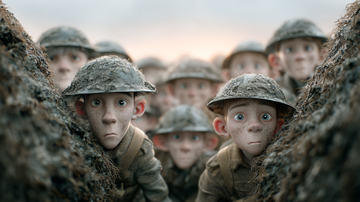
Director Azuma Morisaki (1927–2020) continually portrayed the harshness and dignity of human life. His incisive films about people at society's bottom originated in his own harrowing childhood.
He later said his feelings of inferiority toward, and love for, his older brother, a naval ensign candidate who killed himself by disembowelment after the war, formed the axis of his filmmaking. War shaped the tenacious attachment to life that runs through his work.
Post-Repatriation Turmoil and Encountering Cinema

Postwar turmoil and poverty awaited Morisaki afterward. After graduating from Kyoto University's Faculty of Law, he continued searching for a place to belong. During this time, a chance viewing of Akira Kurosawa's Drunken Angel (1948) profoundly affected him, awakening him to cinema's power. He later said that without seeing that film, he probably would not have become a director.
Japanese cinema was entering a golden age led by major companies such as Shochiku, Toho, and Daiei, but an unknown young man like Morisaki could not easily enter. To learn about the world of filmmaking, he began working as a cinema handyman. Assisting a projectionist in the booth and repeatedly watching many Japanese and foreign films, he taught himself cinematic grammar.
The Assistant Director Years at Shochiku

A turning point came in the early 1950s when Morisaki passed Shochiku Kyoto Studio's recruitment examination and formally entered the industry. Labor disputes had created a period of turmoil, but ironically this gave outsiders like him opportunities. Working as an assistant director alongside people such as Zenzo Matsuyama, who would later become renowned directors, he steadily absorbed practical filmmaking skills.
During this period, Morisaki learned particularly from Yoji Yamada and Yoshitaro Nomura. From his seniors, he inherited an attitude that cinema is a medium for questioning society as well as entertainment. He also learned much that would underpin his later work, including how to engage with actors on set and achieve the greatest effect with limited budgets.
Independence and the Path to a Directorial Debut

As television rose in the 1960s, Japanese cinema began shrinking rapidly, and Morisaki lost his institutional home. Viewing this crisis as an opportunity, he subsequently began working freelance.
His efforts bore fruit in 1969, when he made his directorial debut with Comedy: Women Have Courage. Portraying women's lives, the film already showed his foundational concern for people at society's bottom. Later, films such as It's Tough Being a Man and Comedy: Special Performance, Gigolo Heaven would leave a striking impression of the name Azuma Morisaki on the film world.
Morisaki entered cinema after harsh experiences of war, internment, and poverty. The first half of his life embodied the eternal question of what it means to live that underlies his work. His directorial debut, finally achieved at 41 after a difficult journey, may have mirrored a life that could itself be described as a personal disappearance.
Related Articles
The following articles and categories also cover related topics. Start with the areas you need, and it will be easier to connect your understanding of planning, shooting, editing, and using AI.
- Film Category
- Documentary Shooting Techniques: Camera Work and Sound Design That Convey Reality
- Kazuya Shiraishi's Visual Expression: Applying Characterization and Social Awareness to Video Production
- Hirokazu Kore-eda's Film Expression: Applying Family and Society to Corporate Videos
Need Help with Video Production?
Connect readers to consultations on corporate videos and documentaries that convey humanity and social awareness. For specific advice on planning, shooting, editing, and using AI, visit our contact page and feel free to get in touch.
Receive Information on Video Production and AI
Provide information on characterization, documentaries, and public relations video production. We also share the latest video production know-how and AI video production tips in our newsletter.