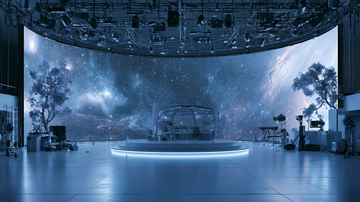

The Practical Production Process from an Outline to a Video
The previous chapter explained how an outline serves as the basic blueprint for video production. In this blog post, we examine in detail the process of producing an actual video based on that outline. We will look at how an outline helps a video take concrete form and become a finished work.
Pre-Production: Preparation and Planning
The first step in video production based on an outline is pre-production, or the preparation stage. During this stage, each department develops detailed plans based on the outline. It includes the following processes.
- **Casting**: Selecting actors.
- **Location scouting**: Choosing shooting locations.
- **Set design**: Designing sets based on the visual references specified in the outline.
- **Rehearsals**: Actors and crew review the script and refine performances.
Careful planning at this stage supports a smooth shoot. The outline provides a guide for checking whether these preparations are proceeding as planned.
Production: Bringing Shooting and Performances to Life
During production, the actual footage is shot based on the outline. Each scene is filmed according to storyboards and shot lists, building the video as designed in the outline. This stage includes the following tasks.
- **Camerawork**: Faithfully reproducing the angles and movements shown in the storyboards.
- **Lighting**: Setting up lighting based on the outline’s visual references.
- **Sound recording**: Recording the script’s dialogue and ambient sounds.
- **Directing performances**: The director refers to the outline while giving actors detailed performance instructions.
The outline also serves as a guide for resolving problems that arise during shooting, allowing everyone to work with a shared vision.
Post-Production: Editing and Finishing
Once shooting is complete, the project moves into post-production, or the editing stage. The outline once again plays an important role here.
- **Video editing**: Editing the recorded footage based on the outline and adjusting the order and timing of scenes.
- **VFX (visual effects)**: Adding CG and special effects as needed.
- **Sound design**: Adding music and sound effects to establish the video’s atmosphere.
- **Color grading**: Adjusting the footage’s colors according to the visual references in the outline.
Post-production calls for remaining faithful to the vision set out in the outline, bringing the final video work to completion.
Conclusion
The outline serves as an important guide at every stage of video production. From pre-production through post-production, using an outline helps the team work efficiently while maintaining a consistent vision. In the next blog post, we will explore the process of releasing a finished video and delivering it to an audience.
Related Articles to Read Next
The following articles and categories also explore related topics in greater detail. Start with the areas you need to make it easier to connect your understanding of planning, shooting, editing, and AI use.
- Video Production Articles
- Ways to Use Business Videos and Success Stories
- Editing Techniques to Improve Video Quality
- How to Create Brand Videos
Need Help with Video Production?
Provide a way to seek advice starting with organizing a video concept and planning the production process. For specific advice on planning, shooting, editing, or using AI, please feel free to reach out through our contact page.
Get Information on Video Production and AI
Provide a way to learn how video production proceeds and what to check before commissioning a video. We also share the latest video production know-how and AI video tips through our newsletter.