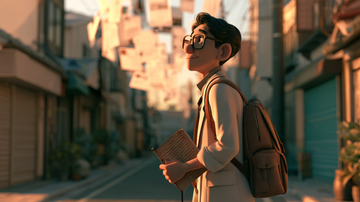

The Magic of the Moment When Sight and Sound Meet

In video production, images and sound are independent means of expression, yet combining them creates new sensations. Sometimes, however, a mismatch between the two can significantly affect the audience's impression. What effects arise when images and sound are deliberately placed at odds? This article explains how this distinctive way of shaping impressions works.
Tension and Surprise Created by Mismatch

In Quentin Tarantino's Reservoir Dogs, for example, the cheerful music playing during the torture scene makes it even more eerie and unsettling. Such a gap between sight and sound can stir the audience's emotions and heighten narrative tension. When images and sound match, viewers are more likely to accept the situation naturally. When they do not, the audience's minds try to bridge that gap, creating a sense of unease. This discomfort produces tension and surprise. Horror films also create unexpected fear by suddenly introducing a loud sound into silence. Techniques like these are powerful tools for shaping emotion.
Layers of Meaning Created by the Gap

In Stanley Kubrick's Full Metal Jacket, upbeat music accompanies brutal scenes of war, emphasizing war's irony and human contradictions. Deliberately creating this gap between sight and sound adds depth to the story and invites new interpretations. A mismatch can give a narrative multiple layers of meaning. In a scene looking back on the past, for example, images with the atmosphere of faded photographs combined with contemporary pop music evoke nostalgia while highlighting the contrast with the present. This direction encourages complex thought as well as straightforward emotion. By using the gap, creators can communicate two or more messages through a single visual sequence.
How the Gap Deepens Dialogue with the Audience

A gap between sight and sound is more than a technique in video production: it is a powerful means of deepening dialogue with the audience. It offers viewers room for new interpretations and broadens a story's depth. The next time you watch a film or another video work, pay attention to the relationship between images and sound. Noticing how a subtle mismatch affects your emotions and thoughts can help you enjoy the work more deeply.