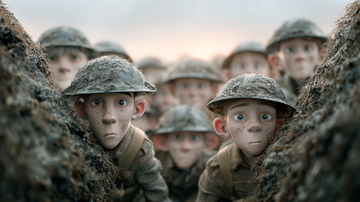

Shue Matsubayashi's Perspective on War Films

Shue Matsubayashi is one of the directors who established a distinctive position in Japanese war cinema. He experienced war himself, and those experiences deeply influenced his work. Films such as Admiral Yamamoto and Zero Fighter, in particular, skillfully combine wartime realism with human drama. By portraying the psychology and conflicts of people who lived through war, beyond recreating battles, he asked viewers to consider war's true nature. While war films often lean toward patriotism or spectacle, Matsubayashi approached war with a measured perspective and focused on depicting people themselves.
The Character Portrayed in Admiral Yamamoto

Admiral Yamamoto, one of Matsubayashi's representative war films, centers on the historical figure Isoroku Yamamoto. The film contrasts his responsibilities as a military officer with his conviction that war should be avoided. Yamamoto is never portrayed as belligerent: while striving to prevent war, he is forced to make decisions amid the currents of his time. Rather than simply telling a heroic tale, the film realistically depicts how a leader was buffeted by history.
The focus on his inner life is particularly memorable, conveying his anguish powerfully. Matsubayashi's skill shines in revealing the conflict between one person's convictions and reality, beyond questions of victory and defeat.
Zero Fighter and the Realism of War

Another representative work, Zero Fighter, focuses on Japan's Zero fighter aircraft. Alongside its development and combat operations, the film carefully portrays the perspectives of those involved with it. Avoiding the glorification common in war films, Matsubayashi illuminates the suffering and sacrifices of engineers and pilots. In particular, he delicately depicts people drawn into war, swept along by their times yet trying to survive in their individual circumstances.
His images reveal the tragedy behind war's glory, leaving a deep impression on viewers. Battle scenes also go beyond action, using techniques that realistically convey battlefield confusion and soldiers' feelings, adding further depth to the film.
What Shue Matsubayashi's War Films Convey

Matsubayashi's war films focus on portraying people under the extreme conditions of war, beyond historical reenactment. Their finely judged balance of entertainment and historical fact gives them the power to communicate war's reality to a wide audience. His perspective as someone who experienced war enabled him to portray the human drama behind the battlefield. His films offer an opportunity to reconsider war's tragedy.
His films do not affirm war. By confronting the suffering and contradictions it creates, they give audiences a perspective from which to examine history calmly. These works may be seen as possessing the value of a form of historical testimony as well as entertainment.
Related Articles
The following articles and categories also cover related topics. Start with the areas you need, and it will be easier to connect your understanding of planning, shooting, editing, and using AI.
- Film Category
- Shue Matsubayashi's Life in Cinema: Applying Wartime Experience and Directorial Attitudes to Video Production
- Shue Matsubayashi's Directing Philosophy: Applying Realism and Entertainment to Corporate Videos
- Learning from Tadashi Imai's Tower of Lilies: Applying Memory to Educational Videos
Need Help with Video Production?
Connect readers to consultations on educational videos, regional films, and documentaries that convey memories and experiences. For specific advice on planning, shooting, editing, and using AI, visit our contact page and feel free to get in touch.
Receive Information on Video Production and AI
Provide information on film direction, expressing memory, educational videos, and video production. We also share the latest video production know-how and AI video production tips in our newsletter.