Childhood in Nara and an Awakening to Cinema

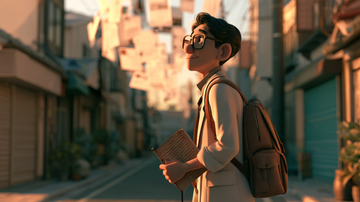
Naomi Kawase's filmmaking is deeply rooted in the landscapes and culture of Nara, where she grew up. Living surrounded by nature from childhood and directly experiencing the changing seasons influenced her later cinematic expression. Her films carefully capture time passing in silence and subtle changes in nature, such as wind and light, which are thought to be closely connected to her childhood experiences. She also had the unusual experience of being raised by an adoptive mother from an early age, which helped cultivate her keen sensitivity to themes of family and loss.
The Path to Becoming a Film Director

Her passion for cinema began during her student years. She studied moving-image production at Osaka University of Arts and decided to pursue filmmaking. At the time, she began making films by recording her own experiences and events around her. The independent works she made during this period reflect a sharp perspective on her inner life and immediate surroundings, a style carried forward into her later films. She also became drawn to documentary techniques, establishing an approach that values participants' authentic expressions and words.
Success and a Turning Point with Suzaku

In 1997, Naomi Kawase won the Caméra d'Or, the award for a new director, at the Cannes Film Festival for her independently produced film Suzaku. This honor marked a major turning point in her career. Set in a quiet rural village, the film portrays nostalgia for things disappearing, family bonds, and loss, already establishing the characteristics of Kawase's work. Suddenly attracting international attention after the award, she continued to make films while maintaining her distinctive style. However, her commitment to an independent production structure outside the framework of commercial cinema drew both support and criticism.
The Feelings Behind Her Films and Future Prospects

Universal themes such as life and death, family, and nature run consistently through Naomi Kawase's films. Through her work, she continues to question what it means to live, leaving a deep, lasting impression on viewers. In recent years, she has also made films that reach wider audiences, such as Sweet Bean and Radiance, and has earned high praise at international film festivals. How will her films evolve in the future? Her journey is still very much continuing.