
HAPIVERI Magazine
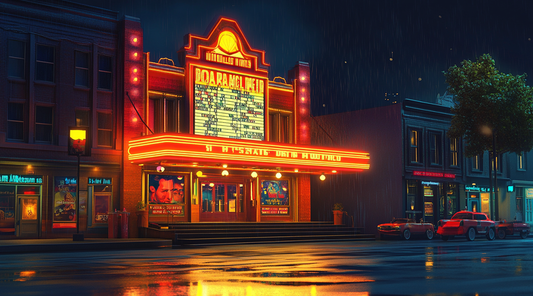
From the World's First Cinema to Today's IMAX: ...
Films were first shown on a screen on December 28, 1895, by France's Lumière brothers. On that historic evening, in a small basement room at the Grand Café in Paris,...
From the World's First Cinema to Today's IMAX: ...
Films were first shown on a screen on December 28, 1895, by France's Lumière brothers. On that historic evening, in a small basement room at the Grand Café in Paris,...

Scene Progressions That Depict Emotional Highs ...
In a film or video, scene progressions that stir viewers' emotions strongly influence the impression the work leaves. Effective emotional expression begins with avoiding overly direct depiction and stimulating viewers'...
Scene Progressions That Depict Emotional Highs ...
In a film or video, scene progressions that stir viewers' emotions strongly influence the impression the work leaves. Effective emotional expression begins with avoiding overly direct depiction and stimulating viewers'...

Story-Driven Video Structure: Creating Corporat...
In video production, storytelling that appeals to viewers’ emotions matters even more than technical polish. Excellent videos leave a deep impression and remain in memory for a long time. Achieving...
Story-Driven Video Structure: Creating Corporat...
In video production, storytelling that appeals to viewers’ emotions matters even more than technical polish. Excellent videos leave a deep impression and remain in memory for a long time. Achieving...

Image-Making Basics: Composition, Lighting, and...
The most important thing in video production is to build a story that resonates with viewers, as well as creating beautiful images. In a strong video, every shot is placed...
Image-Making Basics: Composition, Lighting, and...
The most important thing in video production is to build a story that resonates with viewers, as well as creating beautiful images. In a strong video, every shot is placed...

Creating Movement in Animation: Applying Motion...
In the late 1970s, an innovative technology called motion tweening developed in Japanese animation. It made in-betweening between keyframes more efficient and enabled smoother movement. In particular, the animation system...
Creating Movement in Animation: Applying Motion...
In the late 1970s, an innovative technology called motion tweening developed in Japanese animation. It made in-betweening between keyframes more efficient and enabled smoother movement. In particular, the animation system...
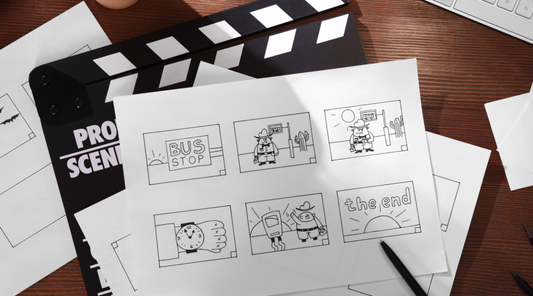
Hand Drawing and Digital Technology Together: T...
From Studio Ghibli's founding period through the early 1990s, the hand-drawn animation techniques established by Hayao Miyazaki and Isao Takahata had a major influence on Japanese animation history. From Nausicaä...
Hand Drawing and Digital Technology Together: T...
From Studio Ghibli's founding period through the early 1990s, the hand-drawn animation techniques established by Hayao Miyazaki and Isao Takahata had a major influence on Japanese animation history. From Nausicaä...