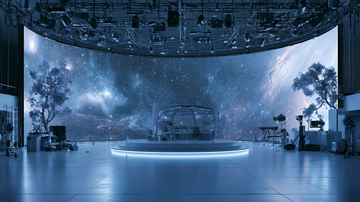

The Appeal of Star Photography and Basic Techniques
The Appeal of Star Photography and How to Prepare
Photographing the countless stars shining in the night sky is a hobby that fascinates many people. Images of starry skies let us feel the grandeur and beauty of the universe. However, photographing stars requires different techniques and preparation from ordinary daytime shooting. First, choosing a location is important. A place with little light pollution lets you capture more stars. Check the weather forecast and choose a clear night. Ideally, bring a DSLR or mirrorless camera, a wide-angle lens, a tripod, and a remote shutter release. Because you will be working in darkness, do not forget a flashlight or headlamp.
Camera Settings and Shooting Techniques
Camera settings are crucial for star photography. Start by setting a high ISO, usually between 3200 and 6400. Next, choose the shutter speed. To capture star trails, use an exposure of 30 seconds or longer. To record stars as points instead, use the 500 rule. This gives a shutter-speed guideline in seconds by dividing the focal length by 500. For example, with a 24 mm lens, 500 ÷ 24 ≈ 20 seconds. Set the aperture as wide as possible, using a small f-number to gather more light; f/2.8 and f/4.0 are common. Focus at infinity, but rather than using autofocus, use live view to focus manually on a bright star.
Post-Processing and Developing Your Skills
Post-processing is also important for bringing out the full appeal of star photographs. Shooting in RAW gives you more flexibility in later adjustments. Use software such as Photoshop or Lightroom to adjust contrast, white balance, and noise reduction. More advanced techniques include lighten-mode compositing and tracked exposures. Lighten-mode compositing combines multiple images with the same composition to create a clearer image with less noise. Tracked photography uses an equatorial mount to move the camera with the Earth's rotation, allowing stars to remain points during long exposures. Learning these techniques can help you take more appealing star photographs. The practice requires patience and repetition, but the satisfaction is correspondingly great. Experience the joy of exploring the mysteries of the universe through a camera beneath a beautiful starry sky.
Related Articles to Read Next
Related topics are also explained in detail in the articles and categories below. Start with the information you need to make it easier to connect your understanding of planning, shooting, editing, and AI use.
- Video Production Category
- Tips for Photographing and Filming Fireworks
- Equipment Setup for High-Quality Images
- Lighting Basics for Video Production
Need Help with Video Production?
Connect readers with consultations on filming tourism promotions and local events. For specific advice on planning, shooting, editing, or using AI, please feel free to get in touch through our contact page.
Get Updates on Video Production and AI
Provide a way to receive information on shooting techniques and tourism video production. We also share the latest video production know-how and AI video creation tips in our newsletter.